Why Walking in Nature Still Matters in Winter
As the clocks have gone back and the evenings draw in, many of us start to feel the shift; a subtle heaviness, lower energy, or disrupted sleep. The change in daylight affects our circadian rhythm, our body’s natural clock that helps regulate sleep, mood and hormones. When that rhythm slips, we can feel out of sync often waking groggy, finding it harder to focus, or noticing our mood dip.
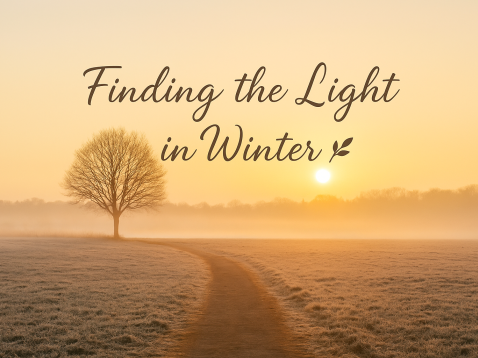
One of the simplest ways to help this adjustment is to get outside in the morning, even for ten minutes.
Natural light, even filtered through cloud, sends a clear signal to the brain: “It’s daytime.” This helps reset our internal clock and stabilises mood, energy and sleep.
Walking adds another layer of support. The steady rhythm of our steps, the grounding of breath and body, the colours and textures of the natural world - they all help calm the nervous system. Nature gently draws our attention outwards, easing anxious or looping thoughts, creating a small sense of space.
Of course, in winter, that’s not always easy. The pull of warmth indoors is strong, and the light can feel fleeting. But perhaps this is when it matters most - to wrap up, step outside, and take a moment to notice the world continuing quietly around us.
It doesn’t have to be a grand hike - a walk around the block, a loop through the park, or even standing by an open window can help your body and mind remember the rhythm of the day.
And maybe, as we move through these darker months, we can see walking in nature not as a task but as a small act of care. A gentle way of keeping ourselves connected, balanced, and present.
I’m a person-centred counsellor based in Poole, helping adults with anxiety, depression and life transitions. If you’re finding this season especially challenging, know that you don’t have to manage it alone - support is here when you’re ready 💜